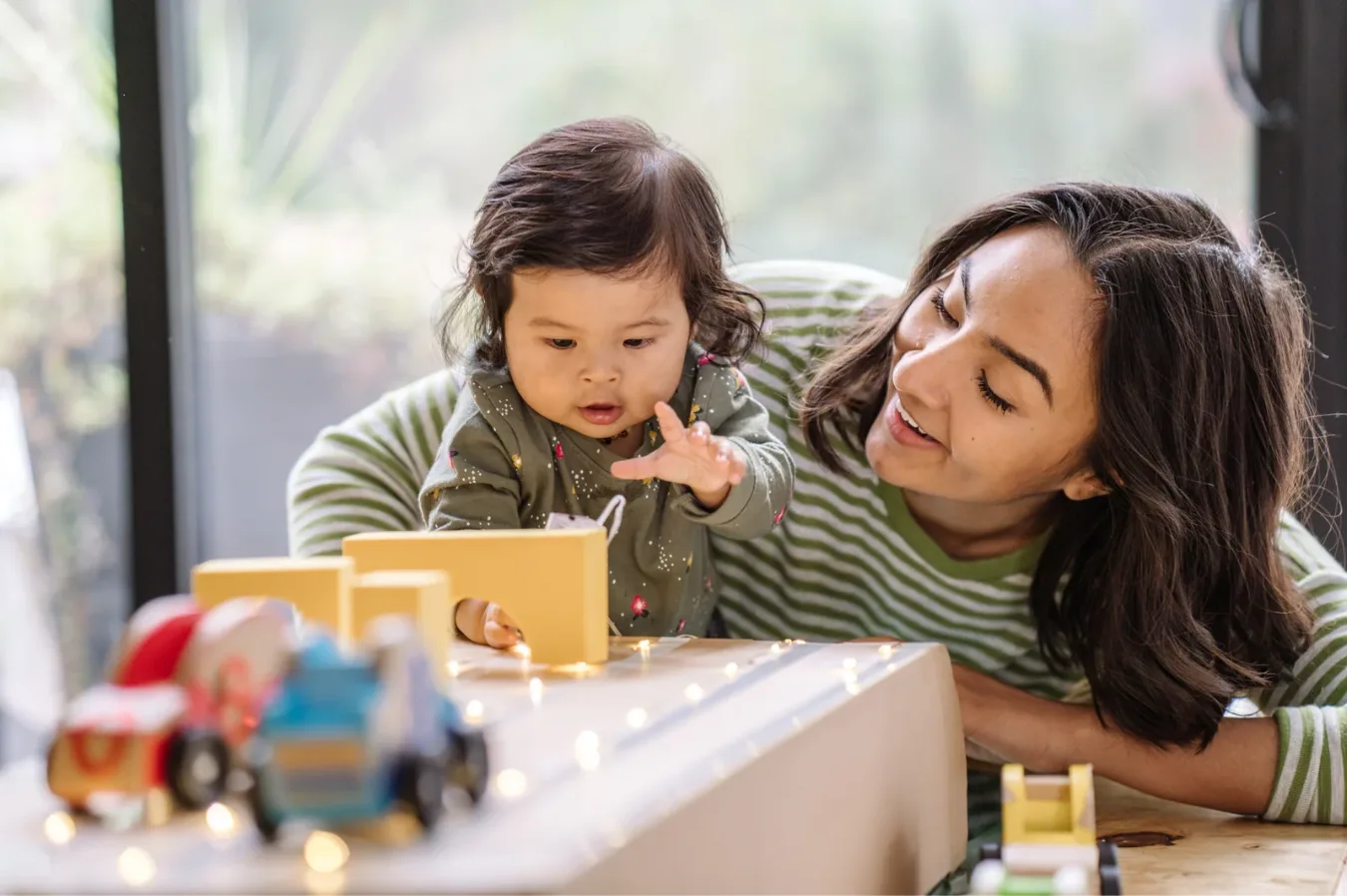
Five Simple Ways to Encourage Speech and Language Development at Home
Did you know that a child’s brain develops more rapidly during the first five years of life than at almost any other time? In fact, by age five, approximately 90% of a child’s brain development has already taken place! During these early years, children are learning an incredible amount about the world around them, including how to communicate with the people in their lives.
Speech and language development happens through everyday experiences and interactions. Children are learning how to express their wants and needs, share their ideas, ask questions, tell stories, and build relationships with others. The adults in their lives play a HUGE role in helping them develop these skills. You don’t need expensive toys, special lessons, or hours of extra activities. Some of the best opportunities for language development happen during the ordinary moments of your day.
Here are five simple ways you can help encourage your child’s speech and language development at home!
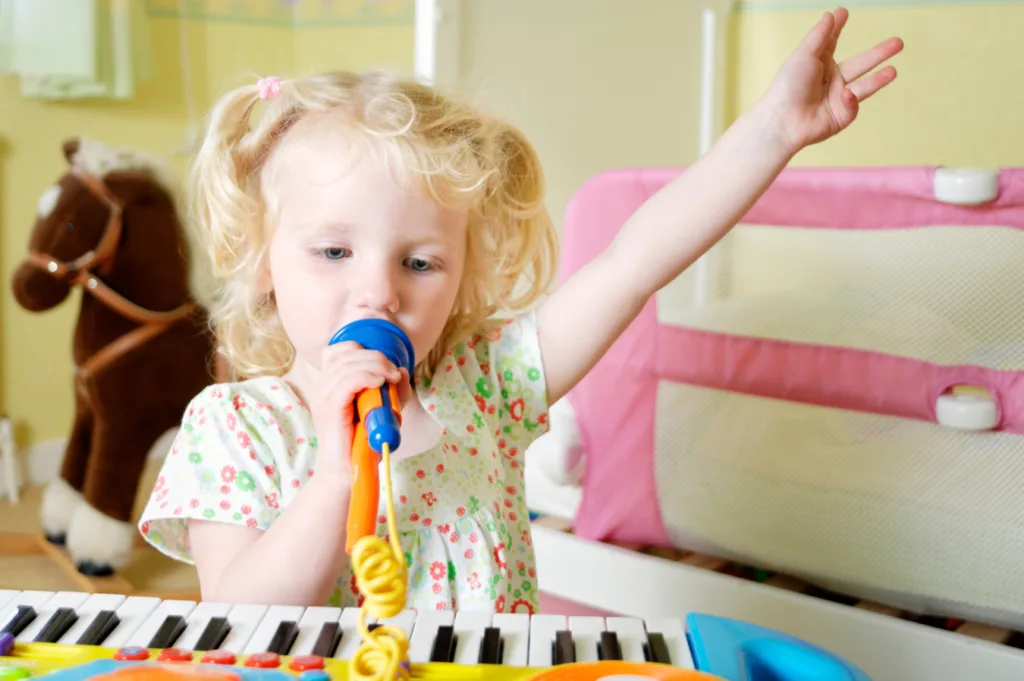
1. Read, Sing, and Rhyme Together!
Books, songs, and nursery rhymes are wonderful ways for children to hear new words and learn how language works. Books introduce children to vocabulary they might not hear during everyday conversations. They also help children learn about different people, places, feelings, and experiences. Don’t worry about reading every single word on the page. Talk about the pictures, ask your child what they think might happen next, and let them tell you what they notice.
Songs and rhymes are just as important! They help children recognize patterns, hear the smaller sounds in words, and develop early literacy skills. Sing in the car, while getting dressed, or while cleaning up toys. And don’t worry if you aren’t a great singer. Your child doesn’t care!
2. Play, Play, Play!
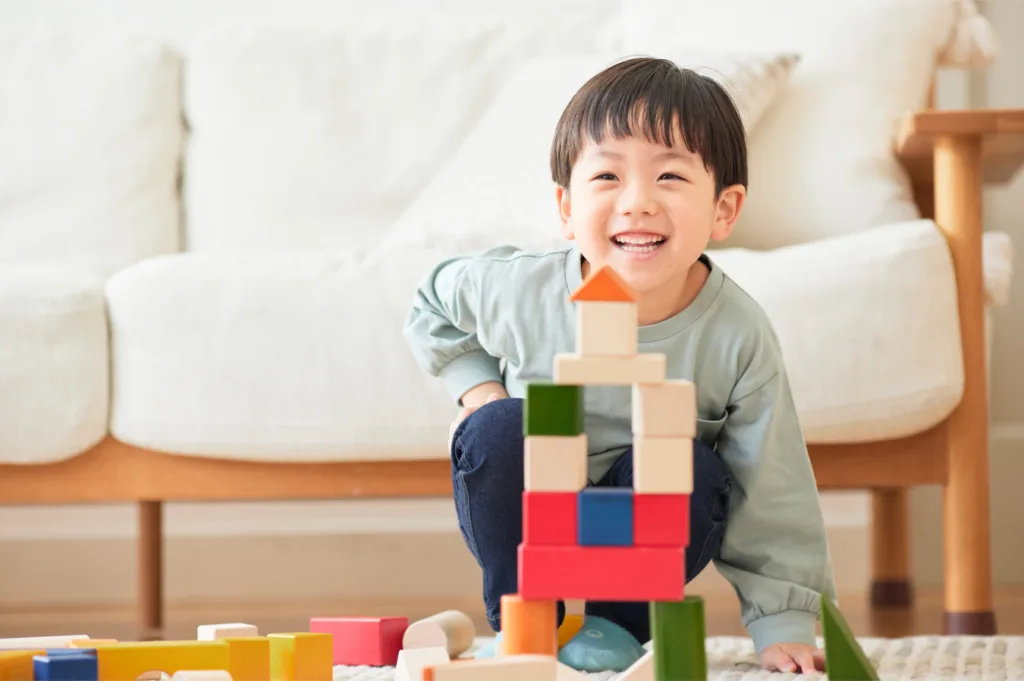
Play is one of the BEST ways children learn language. Get down on the floor and play with your child. Join in activities that interest them rather than always deciding what they should play. Whether you are building with blocks, playing with dolls, pretending to cook dinner, or driving toy cars, there are endless opportunities to communicate.
Talk about what you are doing, ask questions, and introduce new words. For example, if your child is building a tower, you might say, “Wow! That tower is getting really tall. What do you think will happen if we add one more block?” Give your child opportunities to lead the play, make decisions, and share their ideas. Remember, the goal isn’t to turn play into a lesson. It’s to have fun together while providing opportunities for communication!

3. Talk to Them About EVERYTHING!
You do not need to set aside special time to work on language development. Some of the BEST language-learning opportunities happen during routines you already do every day. Talk to your child while getting dressed, preparing meals, driving in the car, grocery shopping, or taking a bath.
Describe what you are doing and what you see happening around you. For example, while making breakfast, you might say, “I’m cracking the eggs. Now I’m stirring them. They look a little runny, but they’re going to cook in the pan!” You can also talk about things you see while running errands or taking a walk.
Remember to give your child time to respond. Not every conversation needs to be a question-and-answer session. Sometimes simply talking, listening, and sharing observations together is enough. The more language children hear in meaningful situations, the more opportunities they have to learn new words and understand how language is used.
4. Model Correct Language, Don’t Constantly Correct!
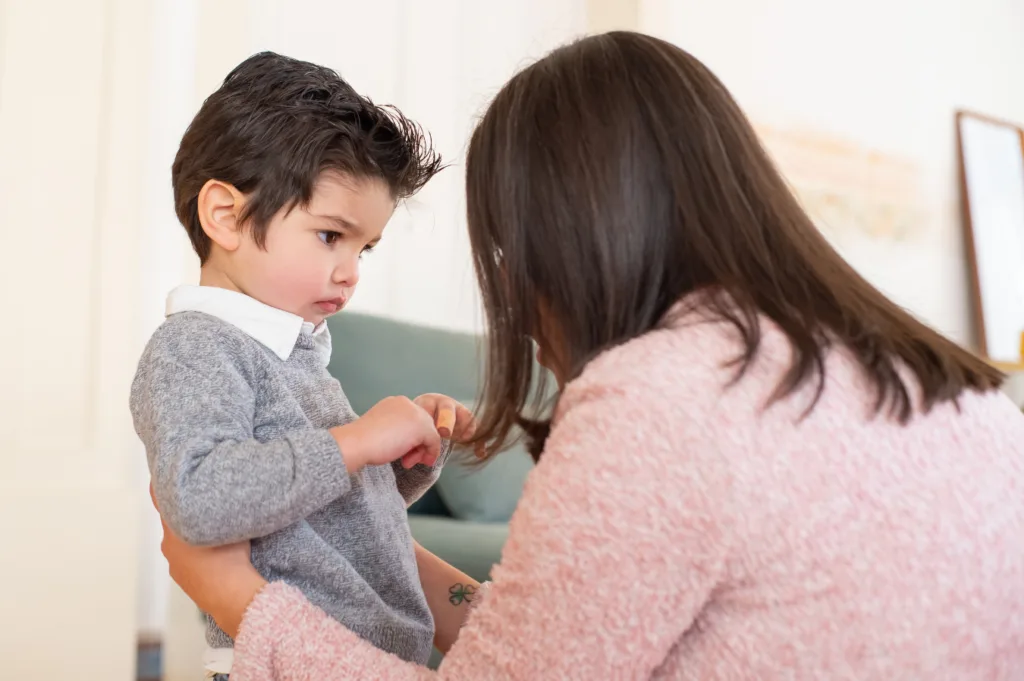
One of the best things you can do to support your child’s communication is to model language for them rather than constantly correcting their mistakes. Children are still learning how language works, and making mistakes is a completely normal part of that process. We want children to feel confident taking risks, trying new words, and expressing their thoughts without worrying about getting everything exactly right.
For example, if your child says, “Him is mean,” you don’t need to stop the conversation and tell them they said it wrong. Instead, simply model the correct language and expand on what they said: “Oh, HE was mean? I wonder what he did that made you think he was mean.”
You have just provided a correct example of the sentence while also encouraging your child to share more information! This is called modeling and expanding language. It is a much more natural and positive way to help children develop their communication skills.
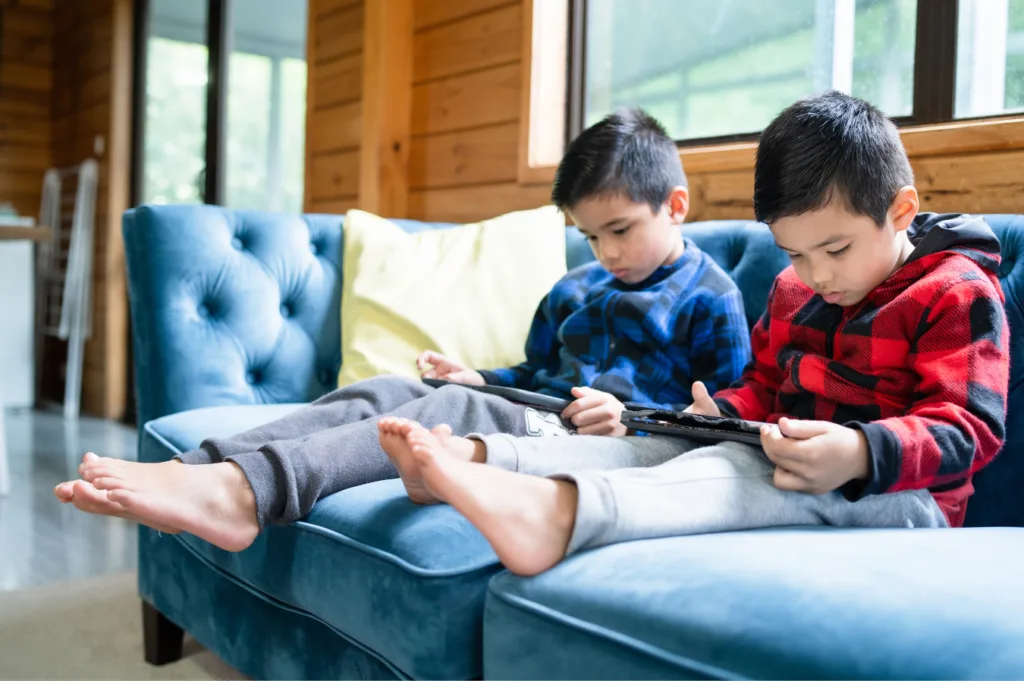
5. Put Away the Screens!
I know, I know. Screens are convenient. They can keep children occupied while adults cook dinner, finish chores, or simply need a few minutes of peace and quiet. We all understand the temptation! However, videos and apps do not provide the same learning opportunities as real-life interactions and conversations.
Children learn language through back-and-forth communication. They need opportunities to look at another person, listen, respond, ask questions, and receive feedback. A video cannot respond to your child’s ideas, follow their interests, or have a meaningful conversation with them.
Whenever possible, choose opportunities for face-to-face interaction instead. Play a game, read a book, go outside, make up a silly song, or just talk! If your child does watch something, consider watching together and talking about what you see. The interaction with YOU is what makes the experience more meaningful.
You are your child’s first teacher and one of their most important communication partners! You don’t have to be a speech therapist or an early childhood expert to help your child develop strong communication skills. You just need to spend time talking, playing, listening, reading, and interacting with them.
Remember, it isn’t about doing more or making every moment a learning activity. It’s about making the most of the moments you already share. Those everyday conversations and interactions are building the foundation for your child’s ability to communicate, learn, build relationships, and share their thoughts and feelings with the world!

Katie Madigan, M.S., CCC-SLP/L
Principal of Urbana Early Childhood School
ABOUT THE AUTHOR
Katie is in her 3rd year as Principal of UECS in Urbana School District 116. She previously served as the building’s Assistant Principal and Elementary Special Education Facilitator after spending 16 years as a Speech-Language Pathologist. Katie lives in Urbana with her husband, college freshman daughter, and two adorable dogs.


